
Nicotine Pouch Flavors Explained: From Classic Mint to Exotic Blends
Flavor is the first thing you notice when you place a nicotine pouch between your lip and gum. Before the nicotine kicks in, before you settle into the experience, it's the taste that greets you. And for most adult pouch users, that initial impression determines whether they reach for the same tin again. That's not an overstatement. Over 70 percent of adult pouch users identify flavor as the single most important factor influencing their purchase decisions. Flavored options accounted for nearly
90 percent of all nicotine pouch sales in 2024. In a market projected to grow from roughly $7 billion in 2025 to over $42 billion by 2033, flavor is the primary battleground where brands compete for loyalty.
The Mint Family: Why It Dominates and How Varieties Differ
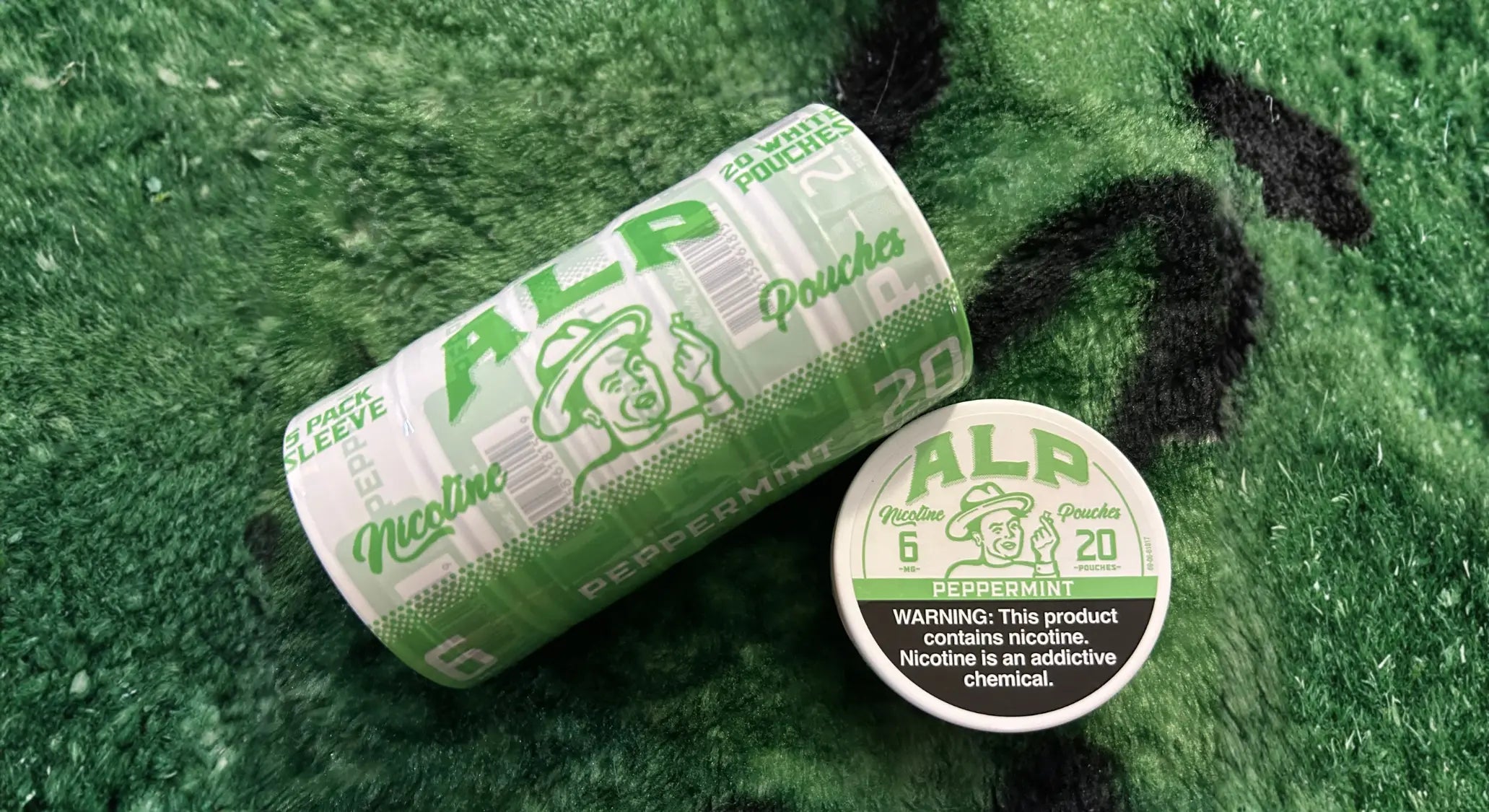
Peppermint
Peppermint delivers the sharpest, most immediate cooling sensation of any mint variety. The flavor comes primarily from menthol, the compound responsible for that signature icy bite. Peppermint pouches tend to hit hard at first, then mellow over time, making them a popular choice for users who want a quick burst of freshness. If you've ever chewed a stick of strong mint gum, you know the profile.
Spearmint
Where peppermint punches, spearmint glides. Its primary flavor compound is carvone rather than menthol, which produces a sweeter, softer mint profile with noticeably less cooling intensity. Spearmint pouches are often described as tasting closer to natural mint leaf or classic chewing gum. For daily or frequent use, spearmint tends to cause less flavor fatigue because its gentler profile doesn't overwhelm your palate with repeated use.

Wintergreen
The flavor comes from methyl salicylate, a compound that produces a sweeter, almost candy-like mint experience with a deeper, more persistent cooling sensation. Wintergreen pouches tend to coat your mouth with a minty sweetness and linger longer after you remove the pouch than either peppermint or spearmint. This staying power makes wintergreen a favorite among experienced users, especially those who pair it with medium to higher nicotine strengths. Brands like
ALP offer a dedicated Mountain Wintergreen variety alongside their Spearmint and Chilled Mint options, reflecting how seriously the mint subcategory has been segmented to match different user preferences.
Cool/Ice Variants
Beyond the traditional mint trio, many manufacturers now produce "ice" or "freeze" variants — pouches that dial up the cooling effect by adding menthol or other cooling agents layered over a base mint flavor. Roughly
21 percent of nicotine pouch products on the market carry "ice" or "freeze" descriptors. These variants appeal to users who want maximum cooling intensity and a pronounced tingling sensation across the gum and lip.
Fruit Flavors: The Fastest-Growing Category
Citrus
Citrus pouches, like lemon, lime, orange, grapefruit, and various blends, deliver a tangy experience that stands in sharp contrast to the cooling profile of mints. Citrus Ice, which layers a cooling effect over a bright lemon or lime base, has been a particularly strong seller in warmer-climate states like California and Florida. Citrus flavors feel energizing and refreshing without the sweetness that characterizes berry or tropical options.
Berry
Berry pouches come in two broad forms: single-berry expressions (strawberry, blueberry, raspberry) and mixed-berry blends that combine several fruits into a sweeter, more layered profile. Mixed-berry blends tend to outsell single-berry options because the combination of tart and sweet notes creates a more complex flavor experience that holds up well over extended use. If you find single-fruit pouches too one-dimensional after 20 minutes, a blended berry is worth trying.
Tropical and Exotic Fruits
This is where the category gets adventurous. Mango, passion fruit, pineapple, watermelon, and increasingly uncommon options like yuzu, guava, and dragon fruit have pushed nicotine pouches into territory that would have seemed improbable five years ago. Tropical flavors tend to be sweeter and more aromatic than citrus, creating a distinctly different sensory experience.
ALP's Tropical Fruit pouch leans into this space with a bright, fruit-forward profile, designed for users who want something less utilitarian and more indulgent.

Warm and Rich Flavors: Coffee, Cinnamon, and Beyond
Coffee
Coffee-flavored nicotine pouches attempt to capture the roasted, slightly bitter, aromatic profile of brewed coffee. The category ranges from straightforward espresso-style expressions to more elaborate variations like mocha, cappuccino, and caramel latte. The flavor is typically created by combining coffee extract with complementary sweeteners and aromatic compounds. Coffee pouches represent roughly 9 percent of North American sales. Users who gravitate toward coffee flavors often describe them as feeling more "grounded" and less aggressively flavored than mint or fruit options.
Cinnamon
The flavor comes from cinnamon oil and related compounds, producing a sensation that's closer to cinnamon candy than to a cinnamon stick in your coffee. The warming effect creates an interesting contrast with the cooling sensation of menthol-based pouches, and cinnamon has historically performed well in colder months, when users gravitate toward warmer flavor profiles. The warm-flavor space also includes niche entries like hazelnut, vanilla, and even chai-inspired blends. While these rarely break into mainstream sales figures, they serve an important role in the broader flavor ecosystem by giving experienced users something genuinely different to rotate into their daily lineup.
How Nicotine Pouch Flavors Are Engineered
Natural vs. Synthetic Flavoring
Manufacturers use a spectrum of flavoring approaches. On one end, some brands rely heavily on real fruit oils, herbal extracts, and botanical essences. These produce flavor profiles that tend to taste more nuanced and less artificial. On the other hand, synthetic flavorings allow for more precise, consistent, and sometimes more intense taste profiles, particularly for flavors that lack readily available natural analogs. Most modern pouches use a combination of both approaches. The natural ingredients provide the foundation and complexity, while synthetic compounds help standardize the flavor across production batches and extend its duration.
Flavor Retention Technology
One of the less visible but most important aspects of flavor engineering is retention, which is to keep the pouch moist and shelf-stable while consistently releasing flavor over the 30 to 45 minutes of typical use. Flavor enhancers like beta-cyclodextrin help amplify and sustain taste over time. Some manufacturers also use specially engineered soft pouch materials that prevent premature drying, retaining moisture so the flavor doesn't fade quickly after placement.
This is one area where product quality varies substantially between brands. A well-engineered pouch delivers consistent flavor from the first minute to the last. A poorly engineered one front-loads its flavor, giving you a strong initial burst that fades to a flat, paper-like taste within 10 to 15 minutes. When users complain that a pouch "lost its flavor too fast," the issue is almost always retention technology rather than the flavor formulation itself.
Flavor Fatigue and the Art of Rotation
If you use nicotine pouches regularly, you've likely experienced flavor fatigue. It is that moment when a flavor you once loved starts to taste flat. It's a well-documented sensory phenomenon that affects every category of flavored consumer product, from coffee to chewing gum to craft beer.
The Regulatory Landscape Shaping Flavor Availability
The flavors available to you depend in part on where you live, as the regulatory environment for flavored nicotine products is evolving rapidly across the United States. At the federal level, the FDA has moved toward authorizing specific flavored nicotine pouch products through its Premarket Tobacco Product Application (PMTA) process. In 2025 alone, the agency issued marketing authorizations for over two dozen nicotine pouch products across multiple brands, including flavored varieties in Mint, Tobacco, and Wintergreen, as well as higher-strength options at 6mg and 9mg per pouch, according to official FDA announcements. These authorizations signal that the FDA views certain flavored pouches as meeting the "appropriate for the protection of public health" standard when supported by sufficient scientific evidence.
However, state and municipal regulations create a patchwork of rules that can restrict what's actually available on store shelves. For consumers, this means that flavor selection can vary significantly by geography. Online purchasing options have partially offset these differences, but the regulatory trajectory makes it worth staying informed about local laws, especially if you rely on specific flavors that could be subject to future restrictions.
Emerging Trends: What's Next in Pouch Flavors
Hybrid and Layered Blends
Single-note flavors are increasingly giving way to layered combinations that blend two or more flavor families. Raspberry-lemonade-mint, mango-chili, and berry-citrus are examples of this trend. These borrow directly from the craft beverage industry, where complex flavor profiles have become the norm. These hybrids address flavor fatigue by offering more sensory complexity in a single pouch, reducing the need to rotate as frequently.
Global and Culturally Inspired Flavors
As the nicotine pouch market expands internationally, flavors inspired by global culinary traditions are gaining traction. Tamarind-, yuzu-, lychee-, and cardamom-inspired blends have appeared in various markets. Some of the more adventurous entries push the boundaries of what consumers expect from a nicotine pouch. Not all of these will survive beyond the novelty phase, but the ones that find genuine consumer traction signal a market maturing beyond its mint-and-fruit origins.
Seasonal and Limited-Edition Releases
Following the playbook of craft beverages and specialty food brands, some manufacturers have begun experimenting with seasonal flavor releases: warm spice blends for fall and winter, bright citrus and tropical varieties for spring and summer. This approach creates purchase urgency and gives brands a way to test new flavor concepts without committing to a permanent lineup.
Finding Your Flavor: A Practical Framework
With dozens of flavors available across an expanding number of brands, the selection process can feel overwhelming, particularly if you're new to pouches or have only tried one or two options. A simple framework can help:
- Start with your existing taste preferences. If you reach for mint gum, peppermint tea, or menthol products in other categories, a mint-family pouch is your natural starting point. If your palate leans toward fruit juices, citrus water, or tropical flavors, begin there instead. Your flavor preferences in other areas of your life are strong predictors of what you'll enjoy in a pouch.
- Consider the context of use. Many users find that lighter, cleaner flavors like spearmint or citrus work better during focused work or professional settings, while bolder flavors like wintergreen, coffee, or exotic fruit blends feel more appropriate during leisure time. There's no rule here. Just the observation that context shapes how a flavor lands.
- Don't judge a flavor family by one product. There's meaningful variation between how different brands execute the same flavor. A peppermint pouch from one manufacturer can taste quite different from another's, depending on whether they lean on natural peppermint oil versus synthetic menthol, how they balance sweetness, and how their retention technology performs. If you tried a citrus pouch once and didn't love it, a different brand's version might change your mind.
- Build a rotation of three to four flavors. As the research on flavor fatigue confirms, variety sustains satisfaction. A simple three-pouch rotation, one mint, one fruit or citrus, one wildcard, covers the vast majority of use cases and keeps your palate from burning out on any single profile.

The nicotine pouch flavor market in 2026 bears little resemblance to the limited, mint-dominated selection of even a few years ago. The category has evolved into a genuinely diverse flavor landscape. One where classic preferences are served with increasing sophistication, and adventurous options are no longer hard to find. Whether you lean toward the clean reliability of a well-made spearmint, the brightness of a citrus blend, or the novelty of something you've never tried before, the options have never been broader or better executed. The best flavor is the one that makes you reach for the same tin tomorrow.
Sources:
- Nicotine Pouches Market Size & Share | Industry Report, 2033 — Grand View Research
- The Association Between Product Attributes and Oral Nicotine Pouch (ONP) Preference — PubMed
- Classification, Perception, and Toxicity of Emerging Flavored Oral Nicotine Pouches — PMC
- A Cross-Sectional Survey on Oral Nicotine Pouches: Characterizing Use-Motives, Topography, Dependence Levels, and Adverse Events — PubMed
- FDA Authorizes 6 Nicotine Pouch Products, Completing Review in Record Time — FDA
- Nicotine Pouches Market Size, Growth & Forecast 2035 — Transparency Market Research
- Nicotine Pouches Market Research — SIS International
- Effects of Flavour and Modified Risk Claims on Nicotine Pouch Perceptions — PMC
- A Comprehensive Review on Oral Nicotine Pouches — PubMed
- Nicotine Pouch Regulation: New Taxes & Flavor Bans 2026 — Prilla