Are Nicotine Pouches Discreet Enough for the Office? A Practical Workplace Guide
If you've ever stood outside an office building in January, huddled near a designated smoking area while your meeting starts without you, you already understand the problem. Traditional nicotine use and professional environments have always been an awkward pairing. Nicotine pouches have rewritten those rules. These small, tobacco-leaf-free pouches sit between your gum and upper lip, delivering nicotine through the oral mucosa without producing smoke, vapor, or any detectable odor. But "discreet in theory" and "discreet in practice" are two different things. This guide breaks down what workplace discretion actually looks like when using nicotine pouches.
Why the Workplace Discretion Question Matters Now
The nicotine pouch category isn't niche anymore. The global nicotine pouches market is growing at a compound annual growth rate exceeding 29%, with projections indicating it will surpass $5 billion by 2025. What's driving that growth into offices specifically? Workplace smoke-free policies have become nearly universal. Most U.S. states now prohibit indoor smoking in workplaces, with many employers extending bans to include vaping and all tobacco use on company property.
Nicotine pouches occupy a regulatory grey zone that works in the user's favor. Because they produce no smoke, no vapor, and contain no tobacco leaf, they don't fall under the standard language of most workplace smoking bans. In most office environments, there is no written policy that addresses them, which means, practically speaking, they're permitted by default.

What Makes a Nicotine Pouch Physically Discreet
Understanding the product mechanics helps explain why pouches achieve a level of discretion that other nicotine products simply can't match. A nicotine pouch is a small, pre-portioned sachet, typically made from plant-based fibers, that contains nicotine, flavorings, sweeteners, and pH adjusters. You place it between your upper lip and gum, where nicotine is absorbed through the lining of your mouth over roughly 20 to 60 minutes, depending on the product. There is no combustion, no heating element, no exhalation required. The pouch sits passively against your gum while you go about your work.
Size and Format Options
Pouch formats vary, and size directly affects how noticeable the product is during use. The three standard formats are:
- Mini pouches weigh between 0.3 and 0.5 grams. These are the smallest options available and are virtually undetectable under the lip. They produce no visible bulge and sit so lightly that many users forget they're there. The trade-off is a shorter duration of nicotine release.
- Slim pouches weigh between 0.7 and 1.0 grams. This is the most popular format on the market, and for good reason. They're narrow and elongated, designed to contour along the gum line without creating a noticeable profile. Slim pouches deliver a longer, more consistent experience than minis while remaining highly discreet. For most office users, slim is the sweet spot.
- Regular pouches weigh roughly 1.0 gram or more. These are bulkier and may create a slight visible bump under the lip, particularly during conversation. For workplace use where discretion is the priority, mini or slim formats are the stronger choice.
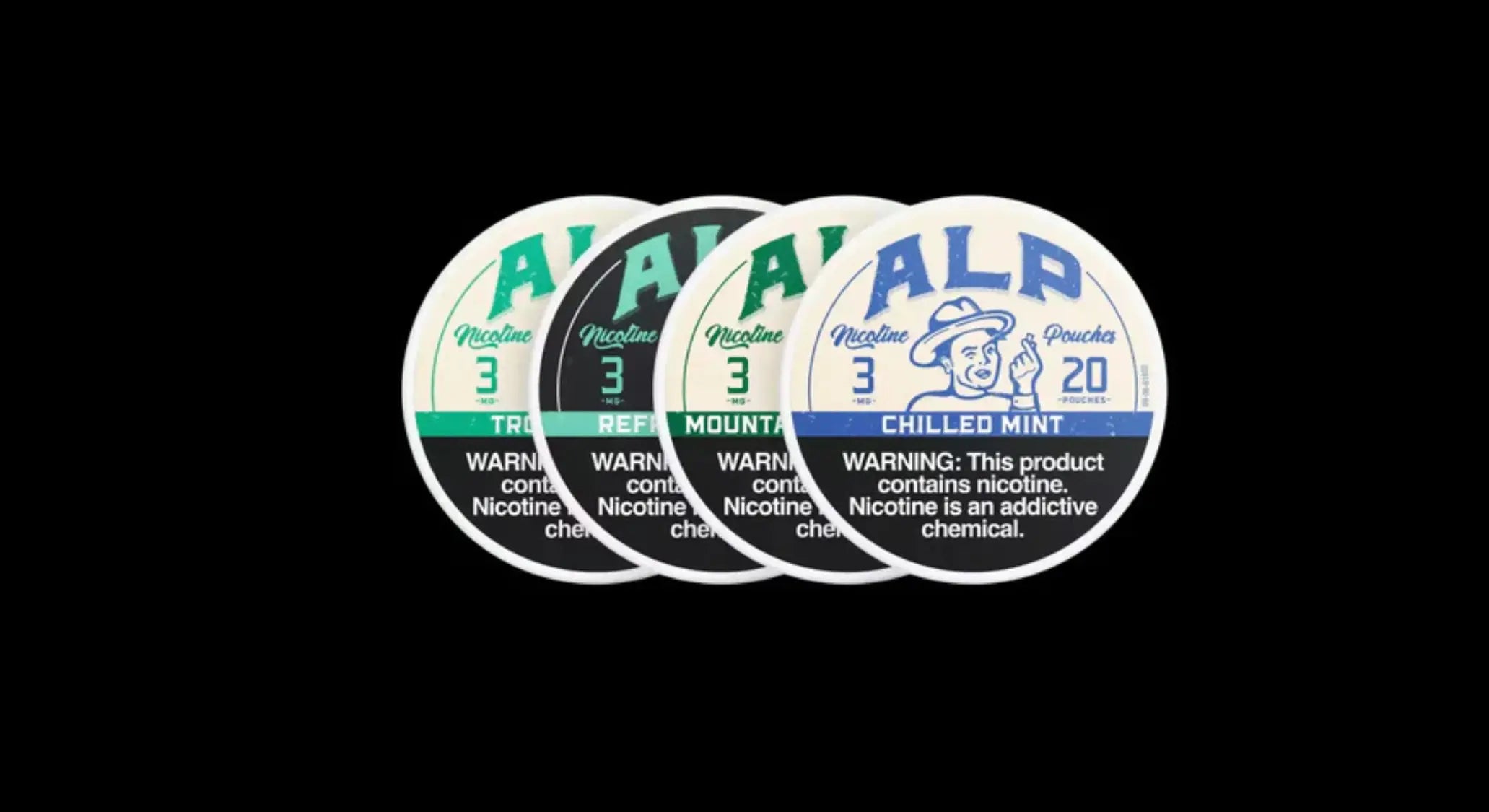
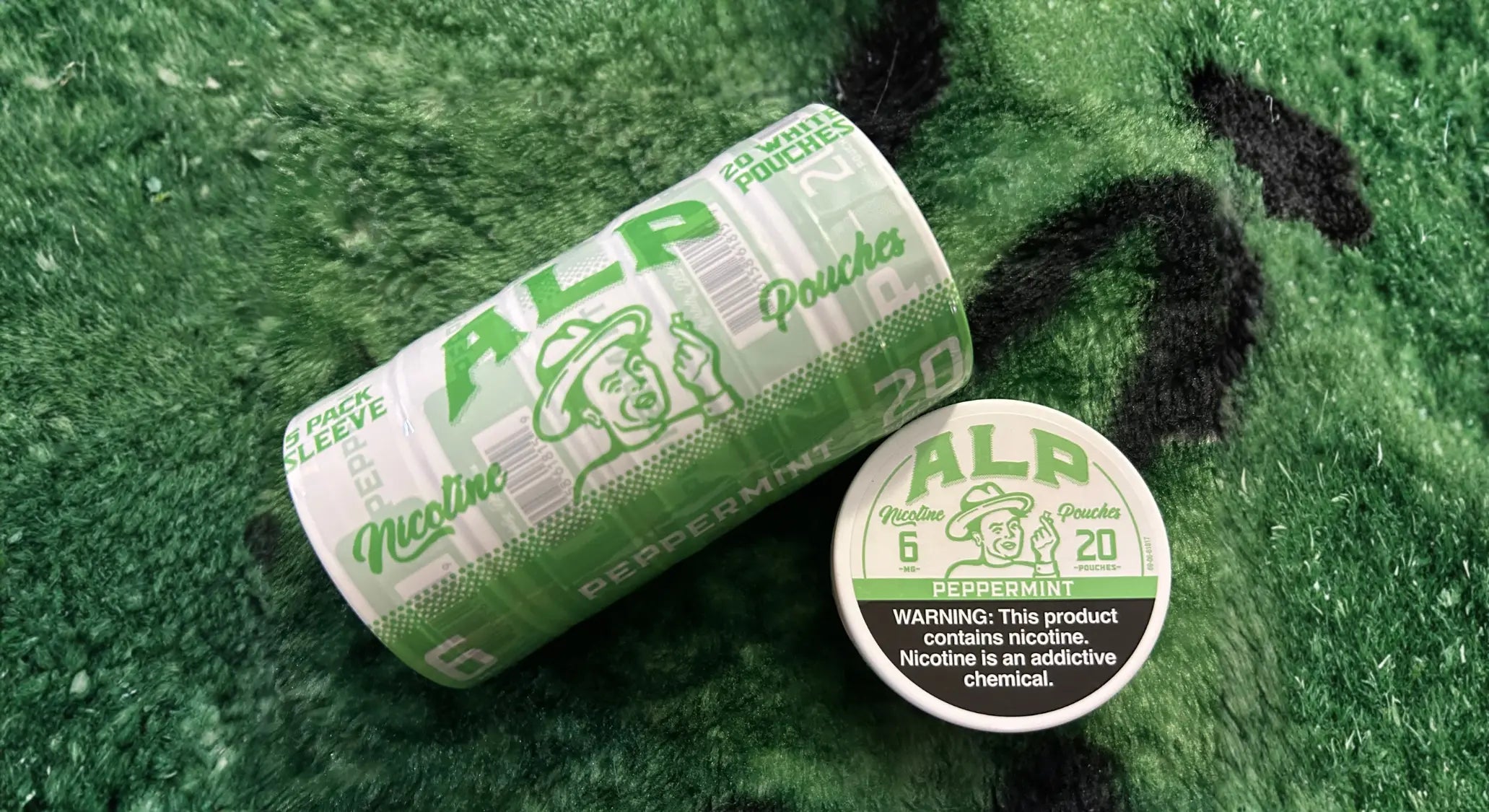
Brands like ALP have designed their pouches to be completely spit-free, eliminating one of the most common concerns about discretion associated with older smokeless tobacco products. There's no need for a spit cup and no interruption to your workflow. Their pouches are also leaf-free with a moist format that provides consistent flavor and nicotine delivery.
The Sensory Footprint
The discretion case for nicotine pouches rests on what they don't produce. No smoke means no visual signal. No vapor means no cloud drifting across a shared workspace. No combustion means no lingering odor on clothes. No device means nothing to pull out of a pocket or accidentally leave on a conference table. Compare that to even the most discreet vaping device, which still requires an exhalation of aerosol. Or compare it to traditional smokeless tobacco, which typically requires spitting and carries a distinct smell. Nicotine pouches have a sensory footprint of essentially zero.
Navigating Workplace Policies Without Guesswork
Understanding Where Pouches Sit in Policy Language
Most workplace tobacco policies target specific behaviors: smoking, vaping, or using smokeless tobacco products. The SHRM model policy references "smoking or vaping" and extends to "all forms of tobacco, including but not limited to cigarettes, cigars, pipes, and electronic smoking devices." Nicotine pouches typically fall outside this language.
However, some employers have adopted broader "nicotine-free workplace" policies that prohibit all nicotine products on company property. These are less common but do exist, particularly in healthcare and government settings. If your workplace has one, pouches would likely be covered. Read your employee handbook or company intranet page on substance policies. If the language targets smoking, vaping, and tobacco, you're almost certainly in the clear.
When to Have a Proactive Conversation
If you work in a setting where policy is ambiguous, a brief conversation with your manager or HR representative can remove any uncertainty. This doesn't need to be a formal request. Explain that you use a tobacco-free, smoke-free oral nicotine product, that it produces no odor or vapor, and that it's indistinguishable from the outside. Most managers will have no objection to something they can't see, smell, or hear. Having this conversation proactively also protects you in the unlikely event a colleague notices and raises a concern.
Practical Discretion in Different Office Scenarios
At Your Desk
This is the easiest environment for discreet use. You're in your own space, typically facing a screen, with limited face-to-face interaction. Placing a pouch takes roughly two seconds. You open the tin, tuck the pouch under your upper lip, and close the tin. The entire motion is no more conspicuous than popping a mint or sipping coffee. Keep your tin in a desk drawer rather than visible on your desk surface. Not because it's something to hide, but because any unfamiliar product sitting on a desk invites questions.

In Meetings and Presentations
This is where discretion requires a bit more intention. If you're sitting in a meeting and need a pouch, the ideal approach is to place it before you walk in. The two-second motion of tucking a pouch is subtle, but doing it at a conference table with six pairs of eyes on you makes it unnecessarily visible.
Some users may experience a slight increase in saliva production during the first few minutes of use, particularly when trying a new flavor or strength. If this applies to you, place the pouch five to ten minutes before the meeting starts so the initial adjustment period happens at your desk rather than mid-discussion. During presentations where you're speaking at length, a slim or mini format works best. These sit flush against the gum and don't affect speech or create any visible movement in the lip area. Nobody in your audience will know it's there.
On Video Calls and Remote Work
Remote workers may assume discretion is automatic when working from home, and largely it is. But video calls introduce a wrinkle: your face fills someone else's screen. A pouch placed in the upper lip is genuinely invisible on camera in virtually all cases. However, if you tend to adjust the pouch with your tongue during calls, that subtle mouth movement can be more noticeable on a close-up video frame than it would be across a physical room. Place the pouch before the call starts, let it settle, and leave it alone. Once a pouch is seated, there's no reason to touch it.
In Client-Facing and High-Stakes Settings
Client meetings, pitch presentations, and executive briefings demand the highest level of discretion. Here, the question isn't whether anyone will notice, but whether you want to introduce any variable at all into a high-pressure interaction. Use a pouch you're already familiar with, in a strength and flavor you've used many times before. This isn't the moment to try a new product. Familiarity means you know exactly how the pouch feels and how your body responds, leaving your full attention available for the conversation that matters.
The Smoke Break Problem That Pouches Solve
Smokers take an average of 25 minutes daily in unscheduled breaks, totaling over 90 hours per year in lost work time. Most smoking employees effectively gain over three weeks of paid time off through smoke breaks annually. The financial impact is significant. The CDC has estimated the total productivity loss due to tobacco use in the U.S. at up to $151 billion per year, with excess costs of approximately $5,816 per tobacco-using employee compared to non-users.
Nicotine pouches eliminate the need to leave your workspace entirely. There's no walk to the designated area and no transition time re-entering the workflow. For professionals who commute, the advantage extends beyond the office. Pouches work on trains, in cars, in rideshares, and in airport terminals. There's no environment where they create friction. The product goes wherever you go, without requiring any adjustments to the space you're in.
Disposal: The Detail Most Guides Overlook
Most pouch tins include a built-in compartment in the lid specifically designed to hold used pouches. This is your primary method of disposal at work. When you're done with a pouch, remove it, place it in the catch lid, and dispose of the contents by emptying the tin into a trash receptacle in a private area.
If your tin doesn't have a catch compartment, keep a small zip-lock bag or wrap used pouches in a tissue before placing them in the trash. Wash your hands or use hand sanitizer after handling a used pouch. Nicotine residue can transfer to surfaces, and in a shared office environment. Clean hands are a basic courtesy. Never dispose of pouches in a communal kitchen bin or shared eating space.
Choosing the Right Pouch for Workplace Use
Format and Fit
As previously discussed, slim and mini formats are purpose-built for discretion. Slim pouches offer a profile that contours naturally along the gumline, making them effectively invisible during conversations, video calls, and presentations. If you're new to pouches or specifically shopping for a work-friendly option, start with a slim one.
Strength Selection
Pouches typically come in multiple nicotine strengths: commonly 3mg, 6mg, and 9mg. For workplace use, choosing a strength that keeps you comfortable and focused without overcorrecting is important. If you're transitioning from cigarettes or vaping, a mid-range strength often provides enough satisfaction to get through a long meeting or a focused work session without the need to use multiple pouches in quick succession.
Flavor Longevity
A pouch that loses its flavor in ten minutes will tempt you to swap it out more frequently, and each swap is a minor decision event. Look for products with longer-lasting flavor profiles. Mint and wintergreen options tend to maintain their flavor well for 30 to 45 minutes, making them practical choices for sustained office use.

The FDA authorized the first nicotine pouch products for U.S. marketing in January 2025, recognizing the category's distinct profile from combustible and smokeless tobacco products. As regulatory clarity increases and product innovation continues, brands like ALP are pushing the category forward in flavor quality, pouch design, and user experience. Nicotine pouches are positioned to become the default choice for professionals who want nicotine without compromising their workday. Nicotine pouches are discreet enough for the office. In most cases, they're discreet enough that "enough" understates it. The product is designed to be invisible. Your job is simply to use it that way.
Sources:
- Nicotine Pouches Market Size & Share | Industry Report, 2033 — Grand View Research
- The State of Employee Smoking in 2024 — Wellable
- Most Smoking Employees Gain Over Three Weeks of Paid Time Off Through Smoke Breaks — Yahoo Finance
- Tobacco | Substance Use — CDC / NIOSH
- Smoke and Vape-Free Workplace Policy — SHRM
- Nicotine Pouches | Smoking and Tobacco Use — CDC
- FDA Authorizes 6 Nicotine Pouch Products, Completing Review in Record Time — U.S. FDA
- In a First-of-Its-Kind Decision, FDA Will Allow Marketing of Nicotine Pouches — AJMC
- Patterns of Nicotine Pouch Use Among Adults in the US, 2022-2023 — JAMA Network Open
- How to Use Nicotine Pouches in Your Daily Routine — Your Health Magazine
- Nicotine Pouches Market Size, Share — The Business Research Company
- Tobacco-Free Nicotine Pouches and Their Potential Contribution to Tobacco Harm Reduction: A Scoping Review — PMC